What We Do

Services

The concrete work we handle most, from a fresh driveway to a slab someone else got wrong.

HomeServices

Everything we take on

Every job below is one we do ourselves across Fair Oaks.

Concrete Driveways

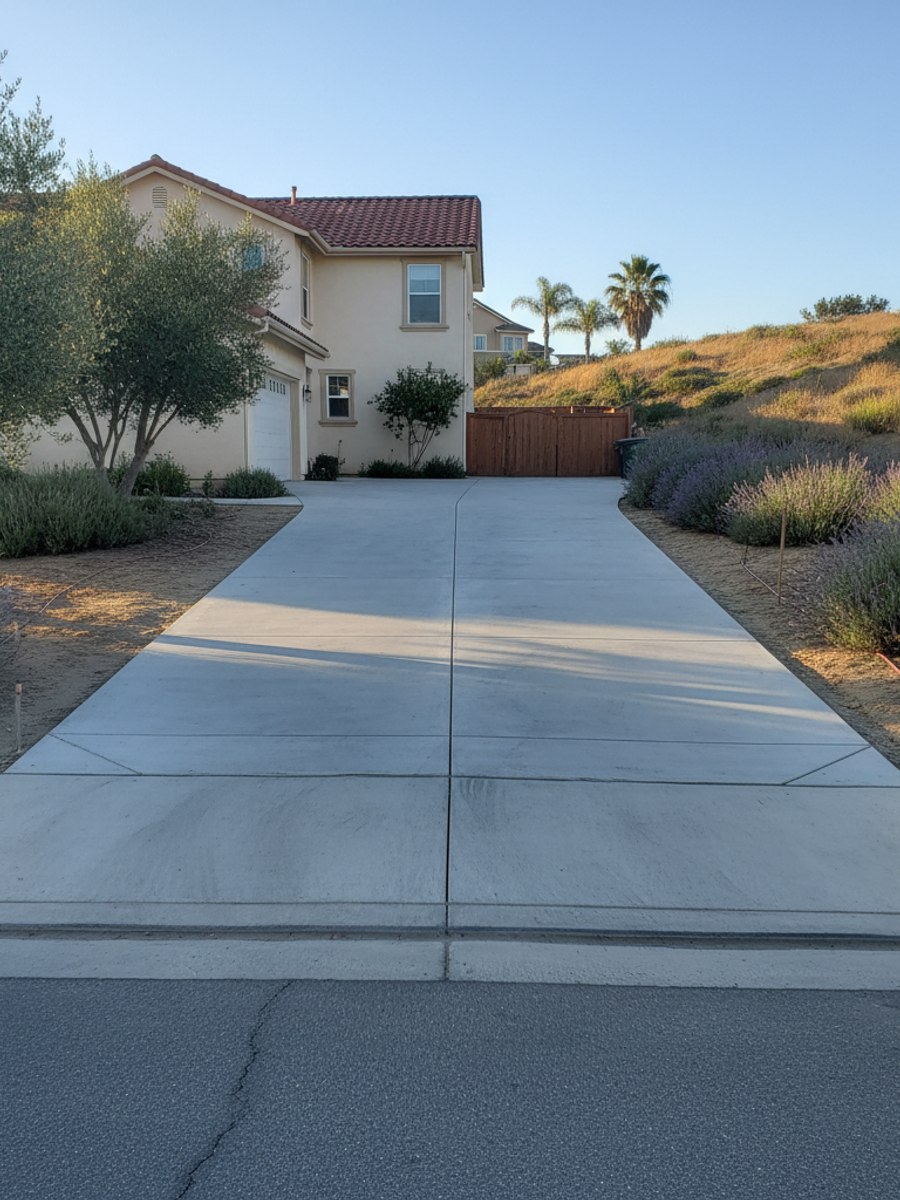
We form and pour driveways thick enough to carry daily vehicle traffic without early cracking. Rebar goes in on any driveway seeing regular car or truck weight, not just wire mesh. We grade the base first so water sheds away from your garage instead of pooling at the slab edge.

Concrete Patios

A patio slab gets poured to match how you'll actually use the space, a broom finish for grip near a pool, a smoother trowel finish elsewhere. We slope it away from the house at a quarter inch per foot so water doesn't back up against your foundation. Most patios can be walked on in a couple days and take full furniture load within a week.

Stamped Concrete

Stamped concrete gets you the look of flagstone, slate or brick at a lower cost and less upkeep than pavers. We color and texture it while the concrete's still plastic, then seal it once it's cured. It works for patios, walkways and pool decks alike.

Concrete Repair

Cracked, sunken or spalling concrete usually points to a base problem, not just a surface one. We can mudjack or replace a sunken slab section depending on how far it's dropped and what's underneath. Small cracks get routed and filled, bigger structural cracks mean cutting out the panel and repouring it.

Concrete Walkways

Walkways get poured level with a slight cross-slope so they don't hold water or ice in a shady spot. We match control joint spacing to the width of the path so it doesn't crack unevenly down the middle. Curved layouts cost more in forming time but hold up the same as a straight run.

Concrete Slab Foundations

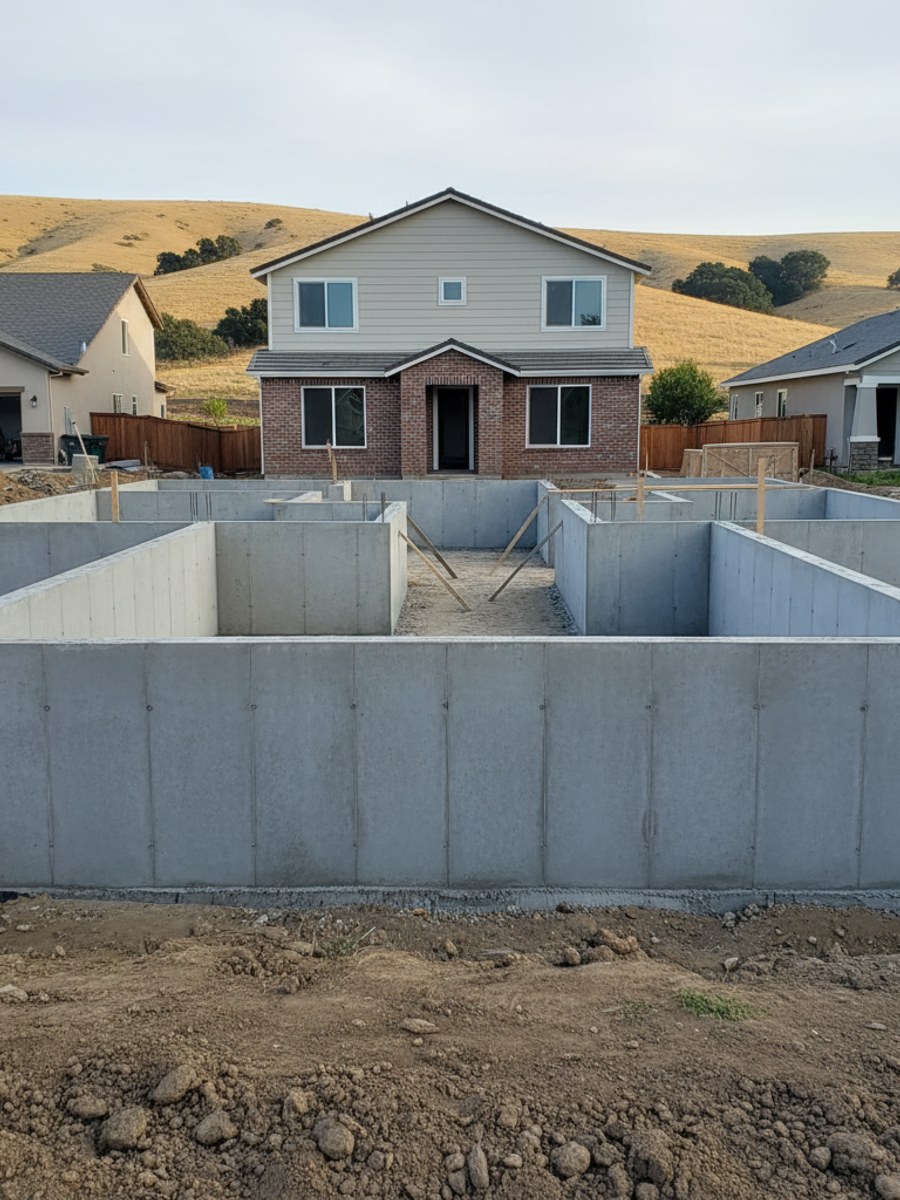
We pour slab foundations for sheds, garages and additions to the thickness and reinforcement the structure calls for. Vapor barrier goes down under the slab before the pour on anything enclosed, so moisture doesn't wick up through the concrete later. We'll pull permits with you or work off plans your contractor already has approved.

Concrete Steps & Porches

Steps get poured to code rise and run so they're safe to use and pass inspection. We finish the tread surface with a broom texture for grip, especially anything facing north where moss builds up.

Exposed Aggregate & Decorative Finishes

Exposed aggregate finish washes off the top layer of paste to reveal the stone underneath, giving a non-slip surface with more texture than a plain broom finish. We also do integral color and saw-cut patterns for anyone who wants something besides gray concrete.

Retaining Walls & Curbing

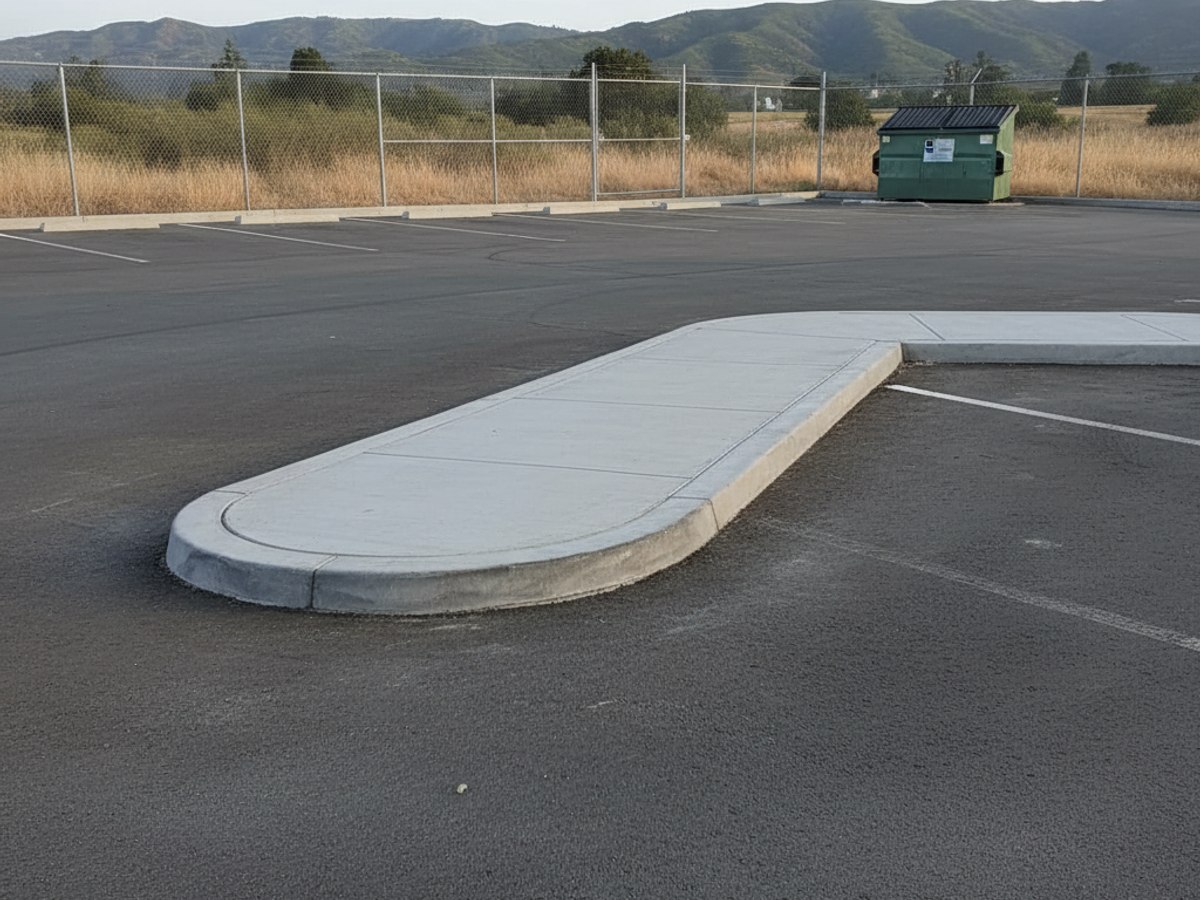
Short retaining walls and curbing get poured with the same attention to drainage as a slab, weep holes or gravel backfill so water doesn't build up pressure behind the wall. This work often comes up alongside a driveway or patio job where grading needs to be held back.

Concrete Removal & Demolition

Old, cracked or heaved concrete gets broken out and hauled off before any new pour goes in. We check what's underneath, old base rock, tree roots, a broken pipe, before quoting the replacement.

How It Works

Four steps, and no surprises in any of them.

01

We come and look

You tell us what you want doing, we look at what is actually there, and we ask the awkward questions early.

02

You get a price

In writing, itemised, free. If something might add cost later we flag it now rather than at the end.

03

We do the work

Same crew throughout. We cover your floors, keep the dust down and tidy up before we leave each day.

04

We walk it with you

You point out anything you are not happy with and we fix it before the invoice, not after.

Where We Work

All of this, across Fair Oaks, CA

Coverage area for pours, repairs and demo work.

Fair Oaks, CA
Sacramento, CA
Elk Grove, CA
Roseville, CA
Citrus Heights, CA
Folsom, CA
Rancho Cordova, CA
Rocklin, CA
El Dorado Hills, CA
Carmichael, CA
Orangevale, CA
Auburn, CA
Common Questions

Things worth asking

What comes up once a concrete project actually gets underway.

Does a concrete driveway or patio require a permit?
Many cities require a permit for a new concrete driveway, especially where it meets the street or affects drainage, while a simple patio replacement often doesn't. Permit requirements vary by city and by whether the project changes the footprint of the existing concrete. A contractor familiar with the local jurisdiction can confirm what's needed before work starts.
How long does a typical concrete pour take from start to finish?
A standard driveway or patio pour usually takes one to two days for forming and pouring, plus several more days of curing before it can handle vehicle weight. Concrete is generally safe to walk on after 24 to 48 hours but needs about seven days before a car should drive on it, and closer to 28 days to reach full strength. Larger or more decorative jobs like stamped concrete can add a day or two for detailing.
Can concrete work be done on a tighter budget?
Concrete costs can be adjusted by choosing a standard broom finish instead of stamped or exposed aggregate, reducing decorative saw-cut patterns, or scaling back the square footage poured at once. Reinforcement type also affects cost, wire mesh is cheaper than rebar but not appropriate for every driveway. A contractor can usually offer a couple of options at different price points during the estimate.
Do concrete contractors guarantee their work?
Most concrete contractors offer a workmanship warranty covering cracking, settling or finish defects that result from the installation itself, typically for one to a few years. Cracking caused by ground movement, tree roots, or work done by others isn't usually covered. Asking what specifically the warranty includes before the job starts is worth doing.
Who do I deal with day to day during a concrete project?
On most residential concrete jobs, the same crew lead who gives the estimate is the point of contact throughout the pour and finishing. This person can answer questions about timing, weather delays and finish details without the homeowner needing to track down a separate office contact. Direct communication with the crew tends to catch problems faster than going through a project manager.
What kind of concrete mix and materials get used for driveways versus patios?
Driveways generally use a higher-strength concrete mix, often 4,000 PSI or more, with rebar reinforcement to handle vehicle weight. Patios can typically use a lighter mix around 3,000 PSI with wire mesh, since they only carry foot traffic and furniture. Mix strength, aggregate size and reinforcement type all get chosen based on what the slab will actually support.
Can I still live at home during a concrete driveway or patio project?
Homeowners typically stay in the house during a concrete pour since the work happens outside and doesn't affect utilities or interior access. The main disruption is losing use of a driveway or backyard area for several days while the concrete cures. Parking on the street or using an alternate entrance usually solves this during the project.
How should a homeowner prepare the site before a concrete pour?
Clearing the area of vehicles, patio furniture, potted plants and any sprinkler heads near the work zone lets the crew grade and form without delay. Marking the location of any known irrigation lines, sprinkler valves or buried cables in advance also helps avoid mid-job surprises. Beyond that, most site prep like old concrete removal and base grading is handled by the crew.
What happens if a contractor finds a problem after breaking ground?
Unexpected issues like poor soil, old buried debris, tree roots, or a cracked irrigation line sometimes turn up once old concrete is removed or excavation starts. A contractor should stop and explain the issue along with any added cost before continuing, rather than pouring over a problem. This can add a day or two to the schedule but prevents a slab from failing early because of what's underneath it.
How should new concrete be cared for after it's poured?
New concrete should stay free of vehicle traffic for about seven days and shouldn't be sealed until it's fully cured, typically around 28 days. Avoiding de-icing salt in the first year and resealing decorative or stamped concrete every couple of years helps it hold its color and finish. Keeping control joints clear of dirt and vegetation also helps them do their job of managing where the slab cracks.

Not sure what you need?

Describe the problem and we will tell you what it probably is. No obligation.
Call (916) 292-9967